Epistemic mapping 101: what to ask in order to understand how others think
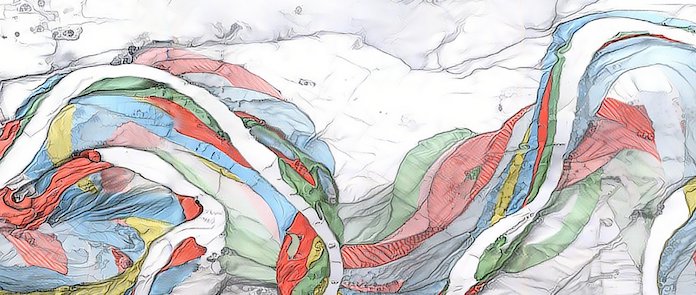
A historian, a biologist and a physicist walk into a bar. The barista, a part-time epistemologist (like most), asks each of them: Can you please describe what it means for you to know something? Nothing very funny ensues [1] -- but my hope is to eventually figure out the punchline. Even restricting ourselves to modern academic cultures and the most popular neurotypes, there are clearly different ways of creating and receiving knowledge that are not very transparent to each other. Often, what other research traditions investigate and produce appears to be, at best, boring or shallow or confusing, and at worst, not knowledge at all (I am sure you can think of a few). Yet I am an optimist: I believe that the most crucial divergences and misunderstandings lie along a limited number of universal dimensions, and that we could someday hope to draw each research tradition's contour on an epistemic map -- a navigation tool to make sense of, and ideally taste the beauty and joy of, other ways of knowing or "thinking styles". Now, many researchers from many disciplines have come up with their own typologies of sciences, or of scientists, or of knowledge. Some look like they are talking about